
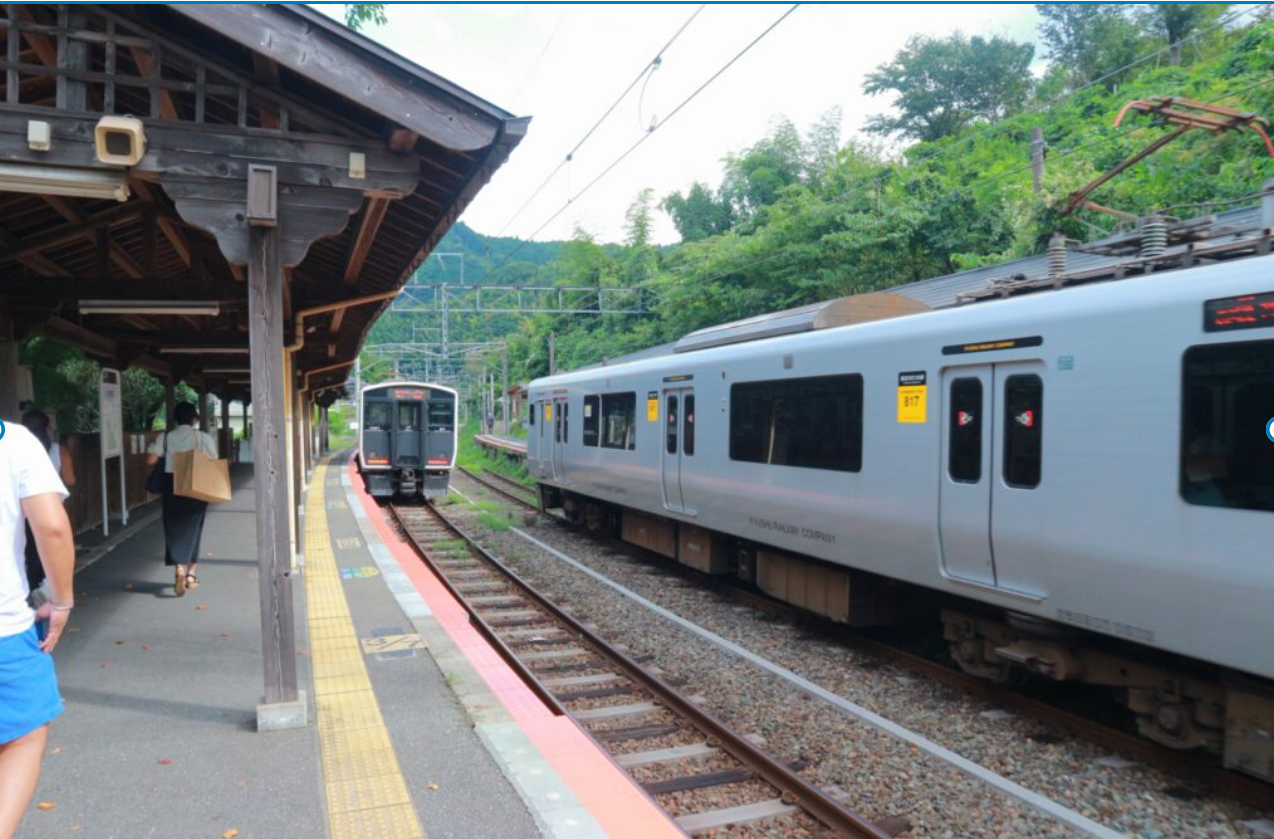
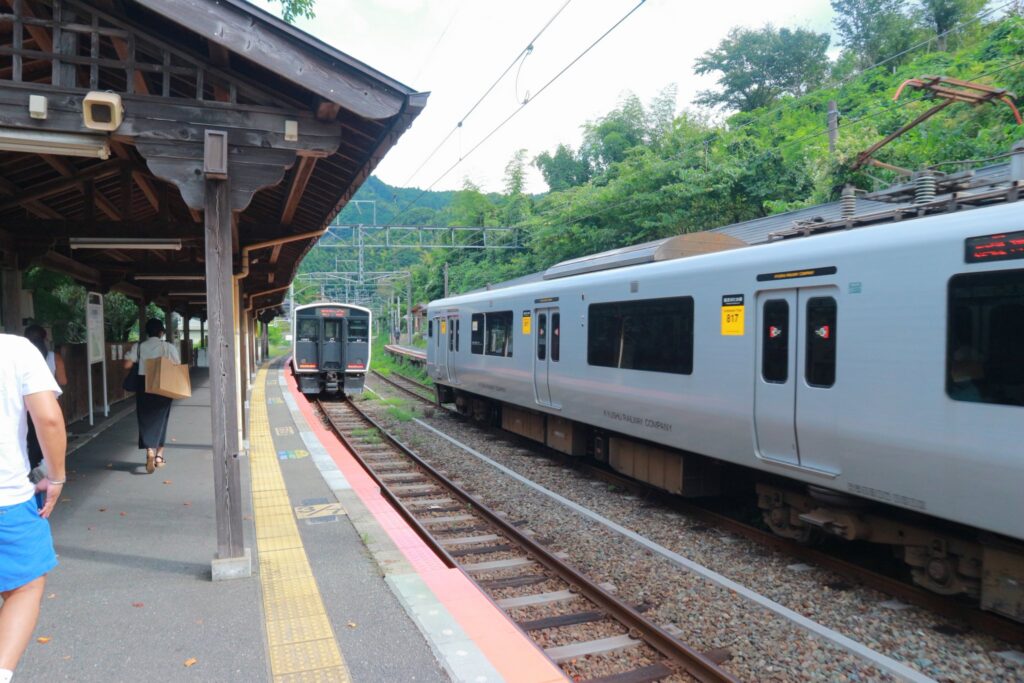
Kido Nanzoin-mae Station
Fukuoka was not the kind of city that immediately felt overwhelming.
Unlike Tokyo’s endless crowds or Osaka’s loud energy, Fukuoka felt calmer from the very beginning — softer, slower, and somehow easier to breathe in.
The city sits on the northern shore of Kyushu Island and is often known for its ramen, temples, and local culture. But after spending time there, what stayed in my memory the most was not only the famous places.
It was the atmosphere.
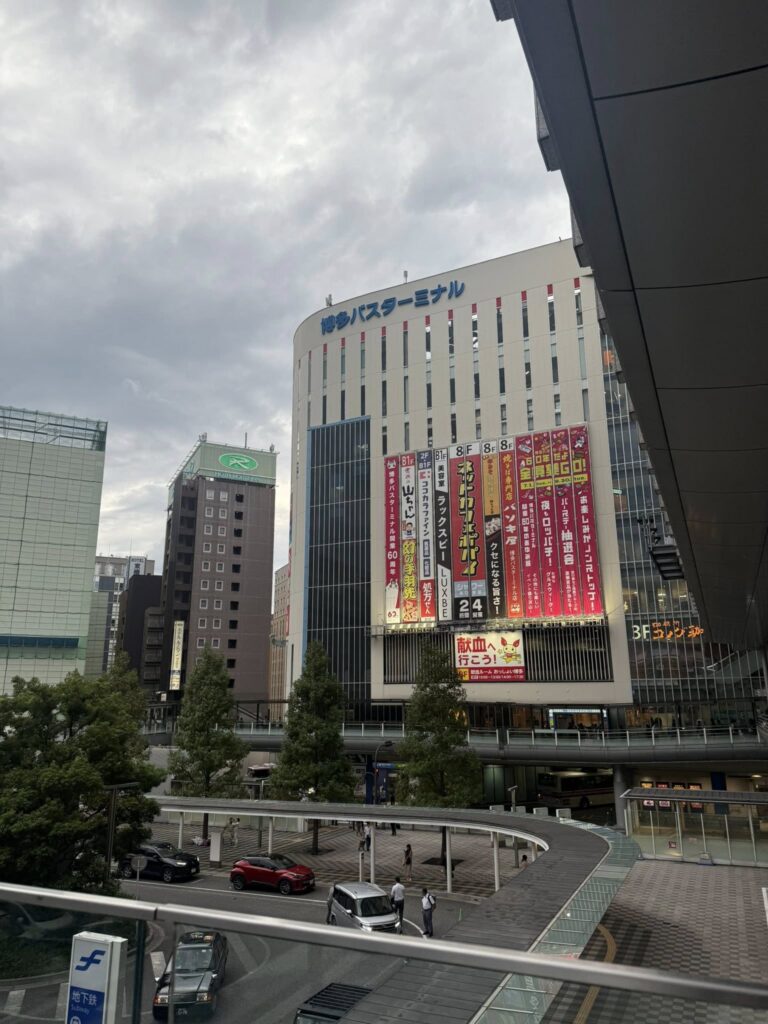
Fukuoka city
The Quiet Spiritual Side of Fukuoka
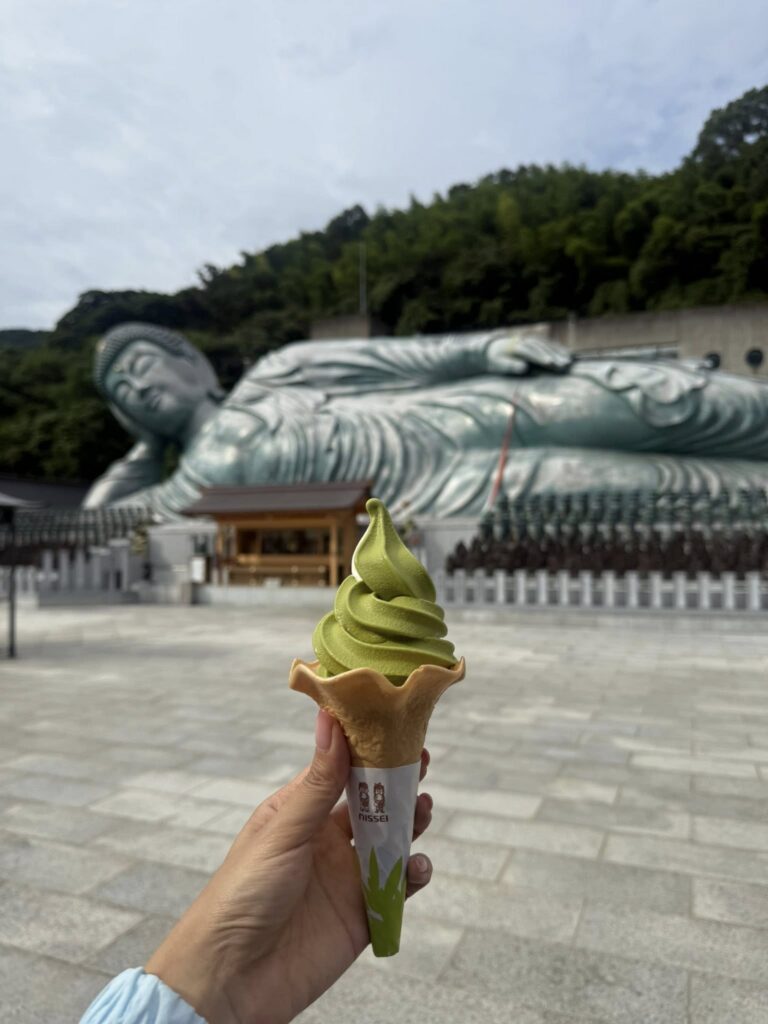
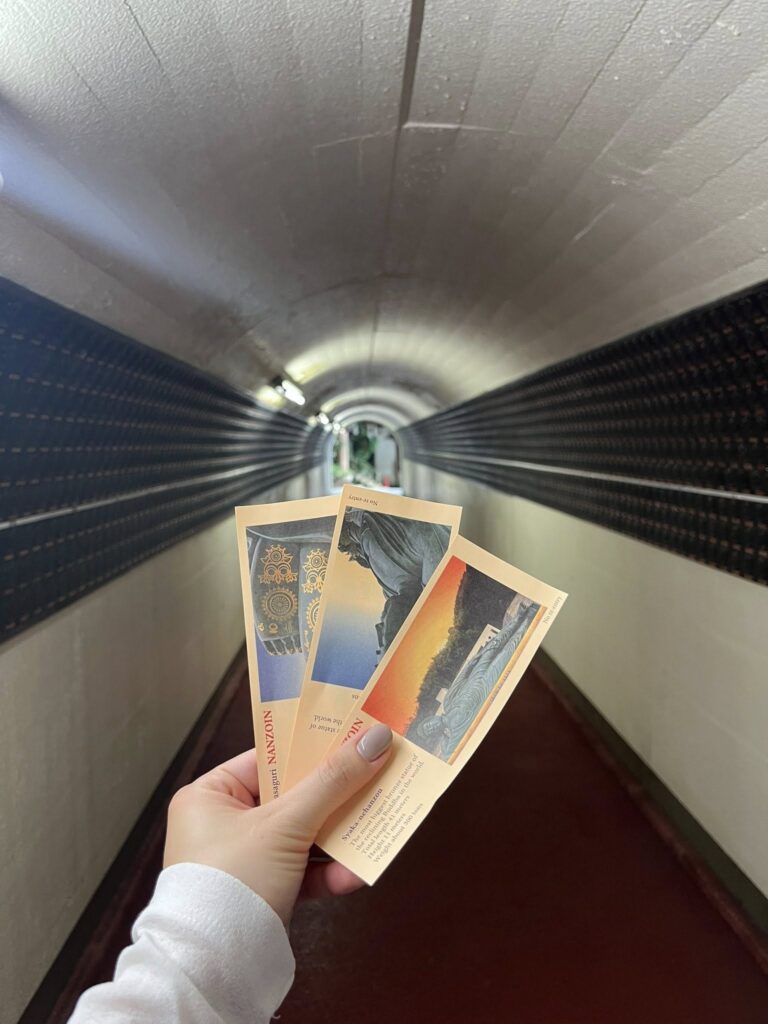
One of the most unforgettable places was the giant reclining Buddha hidden among the mountains outside the city.
Surrounded by forests and silence, the atmosphere there felt completely different from the busy streets near Hakata Station.
Walking slowly through the temple grounds, hearing almost nothing except the sound of wind and footsteps, made time feel slower somehow.
Even the massive statues did not feel intimidating.
Instead, they created a strange feeling of calm and stillness — something that is becoming harder and harder to find in modern cities.
Sometimes traveling in Japan feels less about “seeing famous places” and more about quietly experiencing moments that stay in your mind long after the trip ends.
Matcha icecream and sleeping Budda status
Hakata Ramen Culture 🍜
Of course, no trip to Fukuoka is complete without ramen.
Fukuoka is famous for Hakata-style Tonkotsu ramen — rich pork broth, thin noodles, simple toppings, and a flavor that feels comforting after a long day walking around the city.
Small ramen shops are everywhere near train stations and underground shopping streets.
Some places look tiny from the outside, but inside they are full of warmth, steam, and locals quietly enjoying their meals.
That simplicity is probably what makes Japanese food culture feel so special.
Not luxurious.
Not overly complicated.
Just honest and comforting.
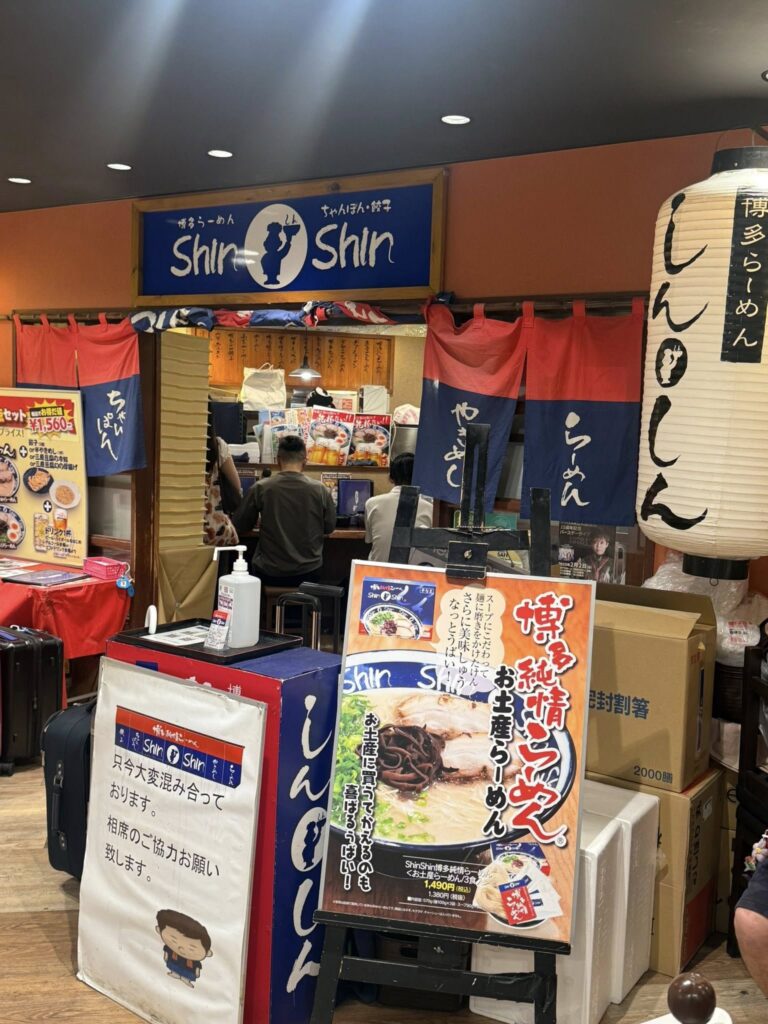
Ramen restaurant
Matcha Ice Cream & Small Moments
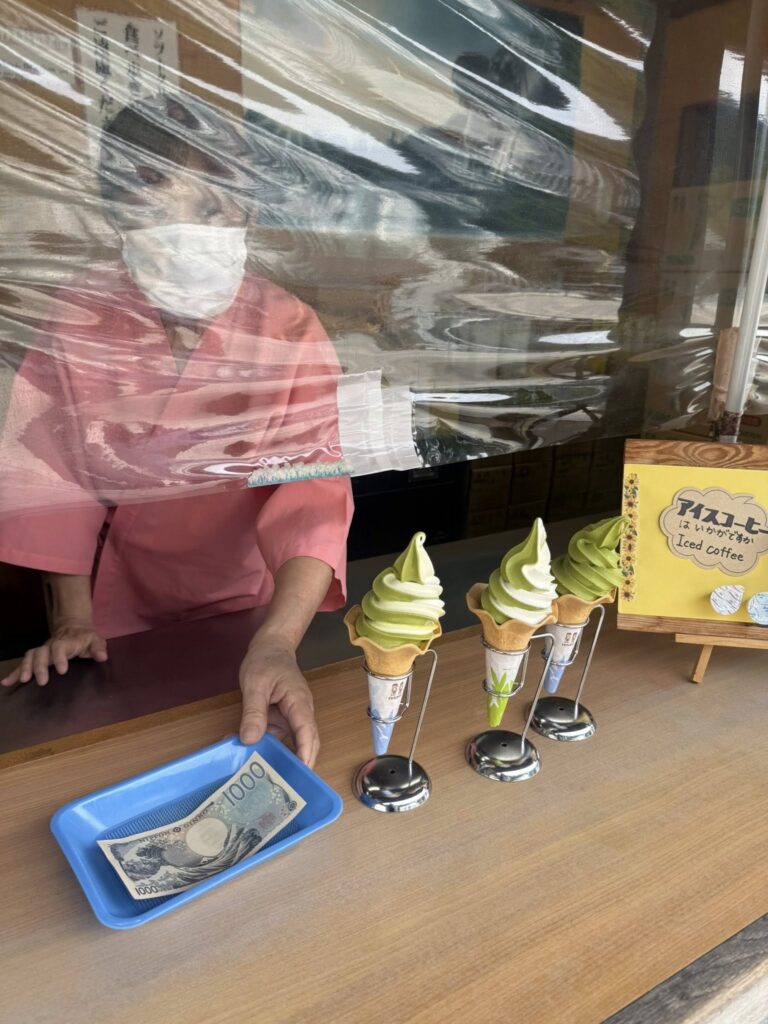
One thing Japan always does beautifully is turning simple moments into memorable ones.
Standing outside a temple with a cold matcha ice cream while looking at the giant Buddha statue somehow became one of the calmest moments of the trip.
Nothing dramatic happened.
But maybe that is exactly why the memory feels beautiful now.
Fukuoka is full of these small moments:
train stations surrounded by mountains,
quiet cafés,
hidden beer bars,
soft evening light over Hakata,
and random little food shops that unexpectedly become part of your memories.
Ice cream shop
The Beauty of Slow Travel
What makes Fukuoka special is not only the places themselves.
It is the pace of the city.
People seem less rushed.
The streets feel less chaotic.
And even modern areas around Hakata Station still somehow keep a relaxed atmosphere.
Fukuoka feels like a city that allows people to slow down a little — to enjoy food properly, walk without plans, and simply experience Japan in a quieter way.
Maybe that is why so many people leave Fukuoka feeling unexpectedly attached to it.
Not because it tries too hard to impress visitors.
But because it quietly stays with you afterward.
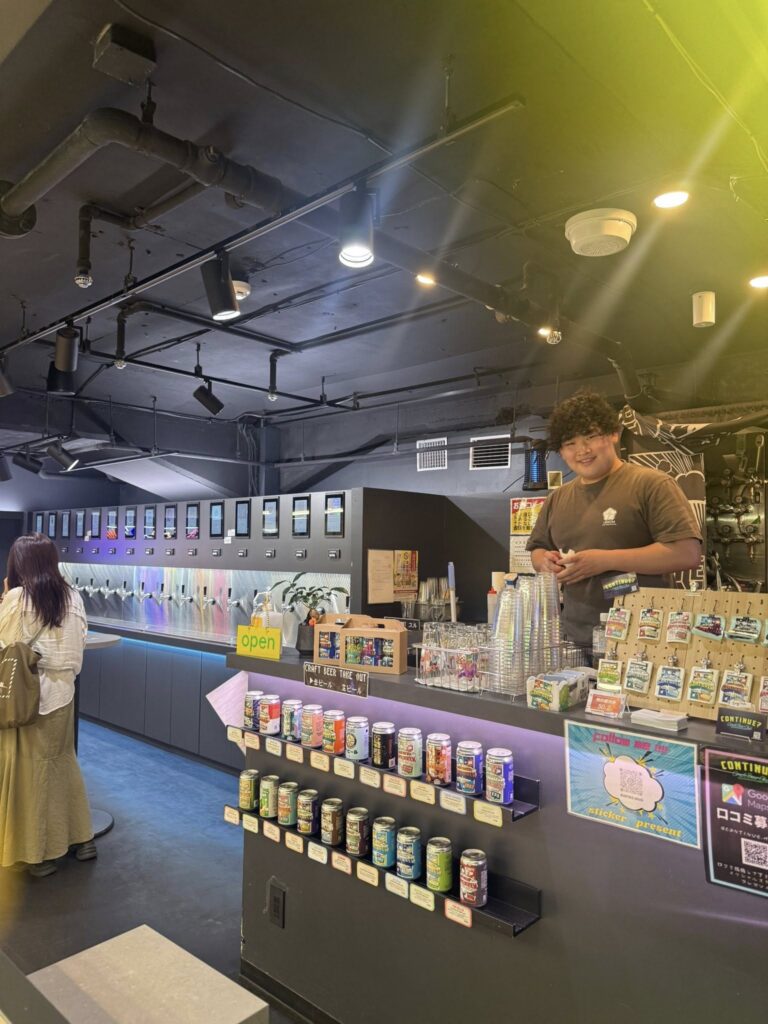
Beer Shop
Tiêu đề
Not the famous tourist attractions.
Not the crowded shopping streets.
Not even the ramen shops or temples.
But the quiet feeling of slowly experiencing Japan through small everyday moments.
Somewhere between the soft evening lights, warm bowls of ramen, quiet train rides, and peaceful temple grounds, Fukuoka quietly became one of those places that stays in your memory long after the trip ends.
Turner
Photos by Kelly Ngọc Anh.